Understanding Ignition Timing Precision
The primary function of a high-performance distributor is to manage the advance and retard of ignition timing. In a standard street engine, timing is relatively predictable. However, when you move to a performance build with high-compression pistons or a radical cam, the window for error shrinks significantly. When shopping, you must decide between mechanical advance and electronic advance systems. Mechanical advance uses weights and springs inside the distributor to advance timing as RPM increases. This is highly favored by traditionalists and drag racers who want a physical, predictable response to engine speed. If you are looking for absolute precision under heavy load, ensure the distributor features high-quality, balanced weights to prevent 'timing wander' at high revolutions.
Material Quality and Durability
A distributor is subject to extreme heat and high-speed centrifugal force. A cheap distributor will fail when the internal components flex or when the housing expands due to engine bay heat. Look for distributors featuring machined steel or heavy-duty aluminum housings. The rotor and cap are critical failure points. Premium options often utilize ceramic-coated rotors or high-dielectric strength caps to prevent voltage leakage. Voltage leakage occurs when the spark 'jumps' to the wrong path, causing misfires or even melting the distributor cap. For top-tier performance, ensure the internal shaft is hardened steel to resist wear from the gear engagement, especially if you are running a custom camshaft.
Compatibility with Camshaft Profiles
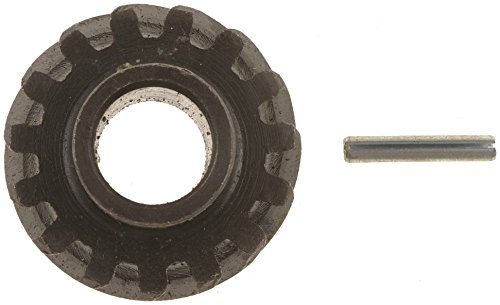
One of the most overlooked factors in selecting a distributor is the gear drive. If you are upgrading to a high-lift, long-duration performance camshaft, your original distributor gear may not be compatible. You must verify whether your engine requires a standard spur gear or a more robust helical gear setup. Furthermore, the duration of your cam affects how the distributor senses engine position. High-performance distributors are designed to handle the 'sloppy' timing windows created by aggressive cams, ensuring that the spark occurs at the optimal moment despite the delayed valve closure inherent in performance profiles.
Advanced Features: HEI vs. Traditional Styles
When browsing, you will encounter two main architectural styles: the traditional long-shaft distributor and the High Energy Ignition (HEI) style. HEI distributors are characterized by a large, integrated coil that sits directly on the cap, which minimizes the distance the spark must travel, thereby reducing resistance. This is excellent for high-output builds. Traditional distributors, however, offer more versatility for custom setups where the coil is mounted separately. If your goal is a clean, high-voltage output with minimal wiring, an HEI-style performance distributor is often the superior choice. Always check the dwell requirements and ensure the ignition module is rated for the high-amperage output of your performance coil.
Final Decision Logic
To make the right choice, categorize your build first. If you are building a street-driven cruiser, prioritize reliability and ease of tuning. If you are building a dedicated track machine, prioritize mechanical advance accuracy and high-RPM stability. Always prioritize distributors that offer adjustable dwell and timing settings, as this allows you to fine-tune the engine as you make further modifications to the intake or exhaust systems.