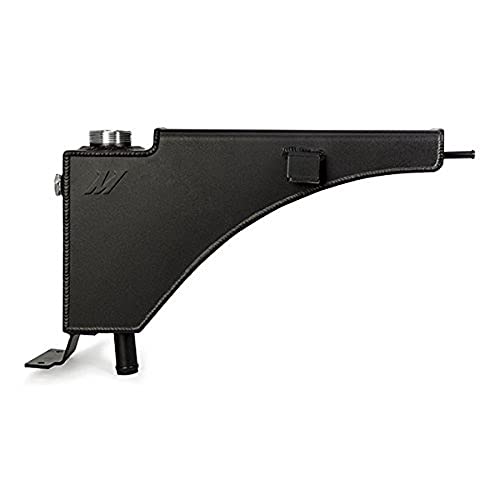
The first step in selecting the right kit is determining why you are upgrading. Are you a daily driver looking for better reliability in stop-and-go traffic, or are you building a dedicated track car that will spend extended periods at high RPM? If your goal is track reliability, you should prioritize kits that focus on increased fluid capacity and superior heat dissipation. For street performance, you might focus on kits that offer improved aesthetics alongside functional upgrades, such as high-flow silicone hoses that offer better resistance to heat cycles than standard rubber. Understanding your 'duty cycle'—how hard and how long you drive—will dictate whether you need a basic replacement kit or a high-performance thermal management package.
Evaluate Cooling Component Synergy
A high-quality engine kit is only as effective as the synergy between its components. When browsing kits, look at how the radiator, intercooler, and cooling hoses work together. A common mistake is upgrading the radiator but failing to upgrade the hoses. Under high boost or high heat, old or low-quality hoses can expand or burst, rendering the new radiator useless. Mishimoto kits are often designed with this synergy in mind, ensuring that the thermal expansion rates and flow capacities of the hoses, thermostat housings, and radiators are optimized to work as a single, cohesive unit. Look for kits that provide a holistic solution to heat soak, which is the phenomenon where engine components retain heat and reduce efficiency over time.
Material Quality and Construction Standards
One of the main reasons enthusiasts turn to specialized kits is the move away from plastic and thin-walled components. When evaluating a kit, pay close attention to the materials used in the construction of the core and the end tanks. Aluminum construction is the gold standard for heat dissipation, but the quality of the welds and the thickness of the aluminum matter immensely. Look for kits that utilize high-grade aluminum and reinforced silicone. Furthermore, check the quality of the fittings and connections. High-performance kits should feature robust, leak-resistant connections that can withstand the vibration and pressure changes inherent in high-performance driving. If a kit uses lightweight plastics in high-heat zones, it may not be suitable for aggressive applications.
Installation Complexity and Compatibility
Before committing to a kit, consider the level of mechanical expertise required for installation. Some kits are designed as direct 'bolt-on' replacements, meaning they use factory mounting points and require minimal modification. Others, particularly those designed for extreme turbocharger setups, may require additional plumbing or custom mounting brackets. Always verify that the kit is specifically engineered for your engine's displacement and configuration. A kit designed for a turbocharged engine will have different flow and pressure requirements than one designed for a naturally aspirated engine. Ensure the kit includes all necessary clamps, gaskets, and mounting hardware to avoid mid-project trips to the hardware store.
Recommendation Logic
For those seeking maximum longevity, prioritize kits that feature heavy-duty aluminum cores and high-temperature silicone hoses. If you are working on a budget, look for 'essential' kits that focus on the most critical thermal paths first. Ultimately, the best kit is the one that addresses your specific thermal bottleneck—whether that is insufficient radiator surface area, restrictive hose diameters, or poor heat dissipation in the intercooler.