The first decision factor in selecting engine gaskets is determining the intended use of the vehicle. If you are performing a standard maintenance overhaul on a daily commuter, you should prioritize gaskets that offer long-term durability and resistance to common coolant and oil degradation. However, if you are building a high-compression racing engine or a forced-induction setup, standard materials will likely fail under the increased cylinder pressure. For performance builds, look for specialized head gasket designs that utilize multi-layer steel (MLS) or reinforced composite materials specifically engineered to prevent 'blow-outs' during high-load scenarios.
Material Composition and Sealing Technology
Not all gaskets are created equal. When browsing engine parts, pay close attention to the material composition. Traditional composite gaskets are excellent for many older, cast-iron engine blocks because they conform well to slight surface irregularities. On the other hand, modern aluminum heads often require Multi-Layer Steel (MLS) gaskets. These consist of multiple layers of spring steel that provide an exceptional seal under high thermal expansion. Understanding whether your engine block and head combination requires a soft composite or a rigid steel solution is critical to preventing leaks at the head-to-block interface.
Comprehensive Gasket Sets vs. Individual Components
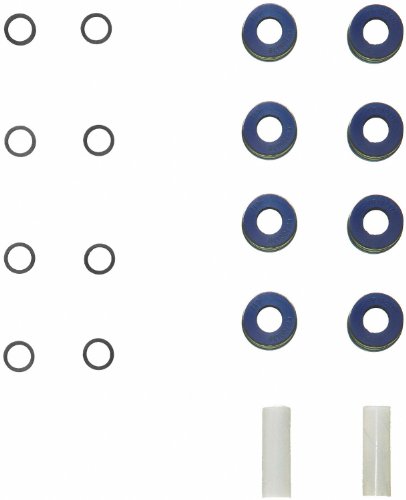
A major decision point for DIY mechanics and professional builders is whether to purchase a complete engine gasket set or individual components. Complete sets are highly cost-effective and ensure that you have every necessary seal—from intake manifold gaskets to valve cover gaskets—on hand before you begin disassembly. This prevents the frustration of mid-build delays. However, if you are only performing a specific repair, such as a water pump replacement or a simple valve cover leak fix, purchasing individual high-quality components is more economical. Always ensure that if you are buying individual parts, they are from the same series to maintain consistent sealing standards throughout the engine.
Compatibility and Surface Integrity
Even the highest-quality gasket cannot compensate for a poorly prepared engine surface. When selecting your parts, ensure the specifications align perfectly with your engine's casting. Furthermore, always consider the condition of your mating surfaces. If your cylinder heads have been machined or resurfaced, you may need to adjust your choice of gasket thickness (often referred to as 'compressed thickness') to maintain the correct compression ratio. High-quality engine parts should include features like embossed beads or specialized coatings that help center the gasket and distribute clamping force evenly across the sealing surface.
Summary Recommendation Logic
To make the best purchase, follow this logic: First, identify your engine type (Cast Iron vs. Aluminum). Second, define your performance tier (Street vs. Race). Third, decide on your scope of work (Full Rebuild vs. Targeted Repair). If you are rebuilding an engine from the ground up, invest in a premium complete set that features MLS technology for the head gaskets. If you are performing a quick fix, select the specific individual gasket that matches your engine's original material specifications to ensure a reliable, leak-free seal.