Understand the Filter Medium: Dry vs. Oiled
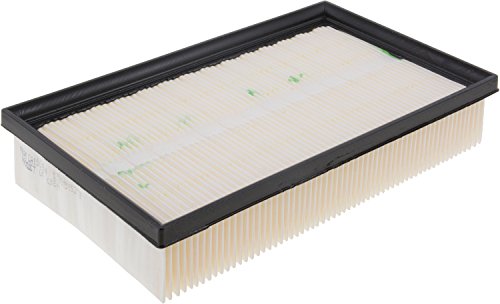
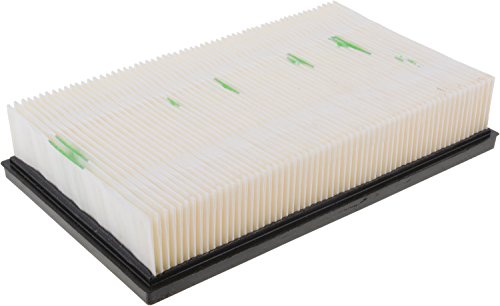
The most critical decision you will make when selecting an AFE Power filter is the type of filtration medium used. AFE typically offers two distinct approaches: dry-media filters and oiled-media filters. Dry filters use a specialized synthetic material that traps particulates without the need for supplemental lubricants. These are incredibly easy to maintain and carry zero risk of oil being sucked into the Mass Air Flow (MAF) sensor—a common headache for performance tuners. If you prefer a 'set it and forget it' lifestyle and want to avoid the mess of re-oiling, dry filters are your best bet.
Oiled filters, on the other hand, utilize a cotton gauze impregnated with a specialized oil. This oil acts as a magnet for microscopic dust particles that might slip through a dry filter. While oiled filters often provide a slightly higher level of filtration efficiency and can sometimes offer a marginal edge in airflow, they require disciplined maintenance. You must ensure you do not over-oil the element, as excess oil can coat the MAF sensor and trigger 'Check Engine' lights or erratic idling.
Airflow Dynamics and Intake Integration
Performance filters are designed to minimize 'pumping losses'—the energy your engine wastes trying to pull air through a restrictive stock paper filter. When browsing the category, consider how the filter will integrate with your existing setup. Are you looking for a replacement element for a closed-box intake system, or are you looking for a conical filter for an open-element setup?
A closed-box system is superior for daily drivers because it shields the filter from engine bay heat, ensuring the air being pulled in is dense and cool. An open-element setup offers a more aggressive induction sound and maximum airflow, but it requires careful placement to avoid sucking in hot air from the radiator or engine block. Always match the filter diameter and flange style to your specific intake tube to ensure a vacuum-tight seal. Even a tiny air leak can introduce unfiltered dust directly into your cylinders.
Environmental Factors and Maintenance Cycles
Your driving environment should dictate your filtration strategy. If you live in an urban area with relatively clean air, a high-flow dry filter will likely suffice for years. However, if you frequently drive on gravel roads, through dusty construction zones, or in desert climates, you need a filter with a higher density of filtration media. In these harsh conditions, you will find yourself cleaning and re-oiling (or replacing) your filters much more frequently.
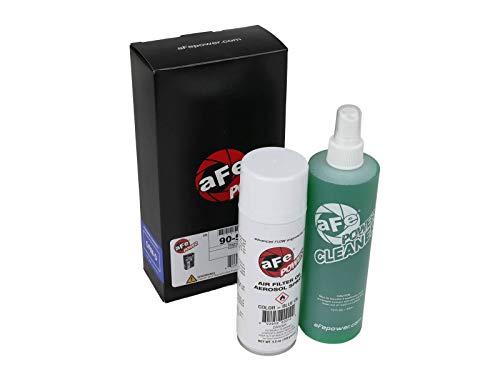
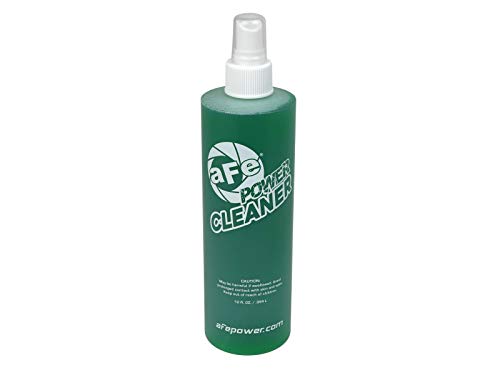
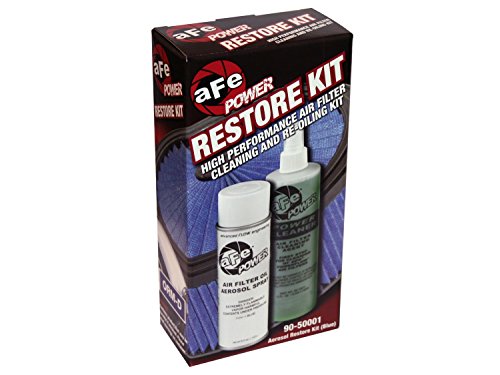
When evaluating a filter, look at the ease of the cleaning kit compatibility. High-quality performance filters are designed to be washed and reused multiple times, making them more cost-effective over the life of the vehicle than disposable paper filters. A good rule of thumb is to check the manufacturer's recommended service intervals—if a filter requires cleaning every 5,000 miles due to your heavy dust exposure, factor that maintenance time and cost into your decision.
The Verdict: How to Choose
To make the final selection, follow this logic: If you want maximum protection for your engine and don't mind the occasional maintenance ritual, go with an oiled cotton gauze filter. If you want a high-performance boost with the lowest possible maintenance hassle and zero risk to your electronic sensors, opt for a dry synthetic media filter. Always prioritize a system that keeps the intake air cool, as air temperature is just as important as air volume for generating real power.