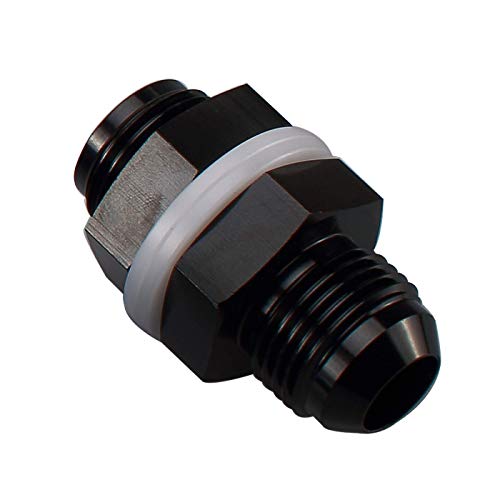
Material Composition and Durability
In the world of performance AC, the material of your fittings is your first line of defense against corrosion and failure. While standard aluminum fittings are common, performance-grade components often utilize high-strength billet aluminum or stainless steel. Billet aluminum is preferred for its precision machining, which allows for tighter tolerances in the threads and sealing surfaces. This precision is vital because even a microscopic imperfection in the thread pitch can lead to a slow refrigerant leak that is difficult to detect. If your application involves high vibration—such as a racing engine bay—look for fittings that offer superior structural integrity to prevent fatigue cracking over time.
Sealing Technology: O-Rings vs. Flare Connections
One of the most critical decision factors is how the fitting achieves its seal. Most modern automotive AC systems rely on O-ring seals. For performance applications, you must ensure the fittings are designed to accommodate high-temperature, refrigerant-compatible O-rings (typically HNBR or specialized fluorocarbon elastomers). Using standard rubber O-rings in a high-performance system will lead to rapid degradation and leaks. Alternatively, some custom setups utilize flared connections. While flares provide a mechanical seal that is incredibly robust, they require much more precise installation and specific tools to prevent over-tightening, which can crush the flare and cause a leak. Always match your fitting type to your hose end style to ensure a seamless, leak-proof interface.
Thread Type and Compatibility
Confusion between thread types is the most common mistake in AC fabrication. Most automotive AC systems utilize SAE (Society of Automotive Engineers) flared threads, but specialized or vintage systems may require different standards. Performance fittings must be machined to exact specifications to ensure that the 'seat'—the part of the fitting that actually touches the mating component—is perfectly perpendicular. If you are integrating aftermarket components like high-flow expansion valves or custom condensers, verify that the thread pitch and diameter are identical. A mismatch might allow you to screw the part in, but it will never create a pressurized seal, rendering the component useless.
Pressure Ratings and Thermal Stability
Performance AC systems often run at significantly higher pressures than stock setups, especially when using R-1234yf or modified R-134a blends in high-heat environments. When selecting fittings, do not assume they are rated for 'extreme' use just because they look heavy-duty. Look for specifications regarding maximum operating pressure. A fitting that is rated for standard passenger car pressures may fail under the load of a high-capacity compressor. Furthermore, consider the thermal stability. The fittings will be subjected to extreme temperature swings—from sub-zero refrigerant temperatures to the intense heat of an engine block. High-quality performance fittings are designed to expand and contract at rates that minimize the risk of loosening or cracking at the junction points.
Recommendation Logic
When deciding which fittings to purchase, follow this hierarchy: First, prioritize material quality (Billet Aluminum is the gold standard). Second, ensure seal compatibility (ensure they are designed for the specific O-ring material required by your refrigerant). Third, confirm thread precision by matching the exact SAE specification of your existing lines. If you are a hobbyist, stick to high-quality billet aluminum fittings with pre-installed high-temp O-rings. If you are a professional builder, look for components that offer modularity, allowing you to switch between different hose diameters and connection styles easily.