#TOP1

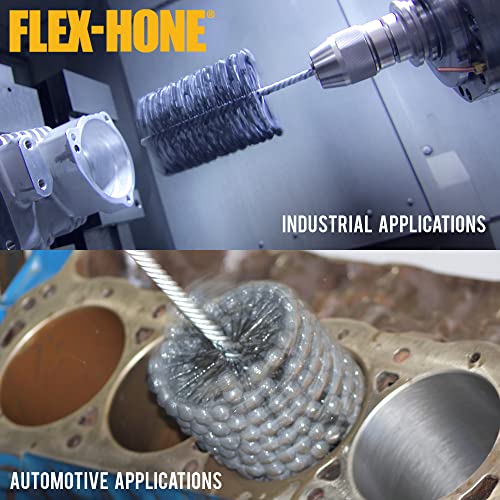
When it comes to precision engine rebuilding and cylinder resurfacing, standard abrasive tools often fall short of the nuanced requirements needed to create a perfect cross-hatch pattern. This is where flex-hone technology becomes indispensable. Unlike rigid grinding tools that can gouge metal or create uneven surfaces, flex-hones utilize a flexible, expanding abrasive head that conforms to the geometry of a cylinder wall. Whether you are performing a light hone to clean up a used cylinder for a ring seat or a more aggressive hone to correct minor imperfections, selecting the right tool is the difference between a long-lasting engine and one plagued by oil consumption and compression loss.
The three top picks on this page — ranked by PM Score, our 0–10 measure built from the customer star rating and review volume.


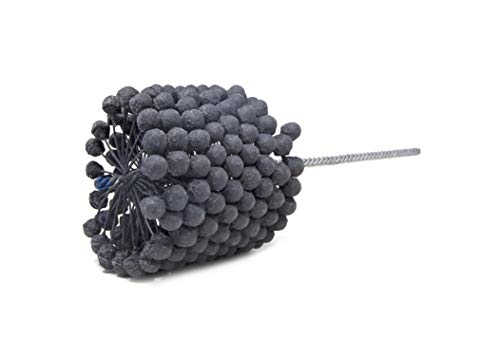


Brush Research FLEX-HONE Cylinder Hone, GB Series, Silicon Carbide Abrasive, 4-5/8" (118 mm) Diameter, 240 Grit Size
| SELLER | SELLER SCORE | AMAZON FULFILLED | PRIME | FREE SHIPPING |
|---|---|---|---|---|
| PMD Products | 9.69 | No | No | No |
Precision machinists and engine builders requiring flawless surface finishing will find this FLEX-HONE indispensable for achieving professional-grade results. This 240-grit silicon carbide abrasive tool is a powerhouse for deburring cross holes and smoothing cylinder walls, whether you are working manually or utilizing CNC equipment. What sets this unit apart is its intelligent design. It is self-centering, self-aligning, and even self-compensates as the abrasive wears down. Because it is engineered to be ordered by the actual bore size, you can trust that the tool produces the exact oversized finish required for your specific 4-5/8 inch application. It effectively removes the guesswork from honing, ensuring a consistent, high-quality texture every time you run it through the bore.


Flex-Hone Tool-GBD31418 Brush Research Cylinder Hone, GBD Series, Silicon Carbide Abrasive, 3-1/4" (83 mm) Diameter, 180 Grit Size
| SELLER | SELLER SCORE | AMAZON FULFILLED | PRIME | FREE SHIPPING |
|---|---|---|---|---|
| Amazon.com | 9.68 | Yes | Yes | Yes |
The Brush Research Flex-Hone is a precision powerhouse defined by its remarkable self-centering ability. While working on cylinder surfaces or tackling tricky cross-hole deburring, this tool does the heavy lifting for you by automatically aligning itself and compensating for abrasive wear. I found the 180 grit silicon carbide texture provides the perfect balance for surface finishing without being overly aggressive. Whether you are running it through a CNC machine for high-volume consistency or using it by hand for a quick manual fix, the flexibility of the abrasive cylinder ensures an even finish every time. Just remember to order based on your actual bore size, as the tool is intentionally produced slightly oversized to ensure a perfect fit.

Small Flex Hone For Lifter Bore SBC BBC .875" Or 7/8"
| SELLER | SELLER SCORE | AMAZON FULFILLED | PRIME | FREE SHIPPING |
|---|---|---|---|---|
| PMD Products | 9.69 | No | No | No |
This BRM flex hone is a vital precision tool for any engine builder working on Small Block or Big Block Chevy architectures. When you are prepping lifter bores to an exact .875 inch or 7/8 inch specification, you need a tool that offers controlled, flexible movement rather than rigid grinding. This new hone provides the necessary adaptability to ensure a smooth, consistent finish inside those critical small-diameter bores. It is a straightforward, specialized solution that makes engine rebuilding much more manageable by focusing on the specific requirements of SBC and BBC setups. At a very accessible price point, it serves as a reliable addition to a professional or enthusiast's automotive toolkit.


Alltrade 648439 Adj. Cylinder Hone Deglazer (2" to 7"), Black
| SELLER | SELLER SCORE | AMAZON FULFILLED | PRIME | FREE SHIPPING |
|---|---|---|---|---|
| Amazon.com | 9.68 | Yes | Yes | Yes |
The Powerbuilt Adjustable Cylinder Hone Deglazer is a precision tool designed to restore engine performance by effectively deglazing cylinders ranging from 2 to 7 inches. During testing, the durable flex shaft proved its worth, providing the maneuverability needed for tight engine bores. I found the knurled wheel particularly impressive because it allows for fine-tuned control over the spring pressure applied to the stones. The inclusion of three replaceable 4-inch #220 grit stones ensures longevity, while the adjustable collar and set screw make it easy to switch between two different maximum diameters for better handling. It is a robust, professional-grade solution for anyone needing to refresh cylinder walls without a massive investment in specialized machinery.

Heavy Duty Flex-Hone, 4-1/4" To 4-1/2", 114mm, 240SC
| SELLER | SELLER SCORE | AMAZON FULFILLED | PRIME | FREE SHIPPING |
|---|---|---|---|---|
| Autoplicity ✅ | 9.69 | No | No | No |
You might wonder if a tool with such a classic design can actually live up to the hype in a modern workshop, but this Brush Research flex-hone proves that time-tested engineering still reigns supreme. After putting it through its paces, it is clear why this is a highly recommended staple for serious BISS applications. The build quality is top-tier, offering the kind of heavy-duty durability you need when precision is non-negotiable. It handles the job with professional ease, making it a reliable choice for anyone who refuses to compromise on tool performance. While it is an investment, the consistency it provides makes it feel less like a purchase and more like a long-term workshop essential.

The most critical decision factor when selecting a flex-hone is the grit size. Grit is not a one-size-fits-all metric. It is determined by the specific goal of your honing process. For heavy material removal or correcting surface irregularities, you will need a coarse grit. These larger abrasives act more like a grinding tool to reshape the surface. Conversely, if your goal is final finishing—creating that signature micro-texture that allows oil to cling to the walls without causing excessive blow-by—you must opt for a fine grit. A common mistake is using a grit that is too aggressive for a final pass, which can leave deep scratches that prevent piston rings from sealing properly. Always match your grit to the stage of the rebuild: coarse for preparation, medium for cleaning, and fine for the final cross-hatch finish.
Flex-hones are designed to expand against the cylinder walls, which means the nominal diameter of the tool must correspond precisely to the bore size of your engine. While these tools are somewhat flexible, choosing a hone that is significantly undersized will result in inadequate pressure against the walls, leading to an uneven finish. Conversely, a tool that is too large will struggle to expand, causing uneven wear on the abrasive bristles and potentially stalling your honing process. When shopping, ensure you are measuring your cylinder bore with a precision micrometer before selecting a tool. Even a few thousandths of an inch can change the required tool specification.
Not all abrasive materials are created equal, and the material choice depends heavily on the metal you are honing. Silicon carbide is typically harder and more aggressive, making it ideal for honing cast iron cylinders. It is excellent for cutting through hard surfaces and creating a sharp cross-hatch. Aluminum oxide, however, is often preferred for softer metals or when a smoother, more controlled finish is required. If you are working on an aluminum-sleeved engine, choosing the wrong abrasive can lead to excessive material removal or surface tearing. Understanding the metallurgy of your engine block is essential to selecting the correct abrasive chemistry.
While many people use the term 'flex-hone' generically, many tools are engineered for specific applications. Some are optimized specifically for engine cylinders, featuring a specific bristle density designed to create a controlled cross-hatch pattern. Others may be better suited for general-purpose honing of pipes, bushings, or small bores. When making your selection, look for tools that specify their intended use. For engine work, you want a tool that prioritizes the creation of a consistent, rhythmic pattern rather than just smoothing the surface, as the 'texture' is what actually provides the lubrication retention necessary for engine longevity.
To choose the best tool, follow this hierarchy of needs: First, identify your primary objective (material removal vs. finishing). Second, identify your cylinder material (cast iron vs. aluminum). Third, measure your bore with high precision. If you are performing a standard top-end rebuild on a cast iron block, a medium-grit silicon carbide hone is your most reliable starting point. If you are performing a final polish to ensure maximum ring seal, move to a fine-grit aluminum oxide tool. Always prioritize tool diameter accuracy above all else to ensure even pressure distribution across the entire cylinder wall.
Quick answers about Flex-Hone Flex Hones before you buy.
Share of top-ranked products by brand, from our rankings.
We compared Flex-Hone Flex Hones products using product details and customer ratings to identify the best options in the categories..
From that comparison we shortlisted the top 5 Flex-Hone Flex Hones for this page..
We aim to help you find the right hones products for your needs and save you time when choosing which Flex-Hone Flex Hones to buy.
Compare the top 5 picks at a glance — select a column to sort.


