Understanding Frame Profiles and Depth
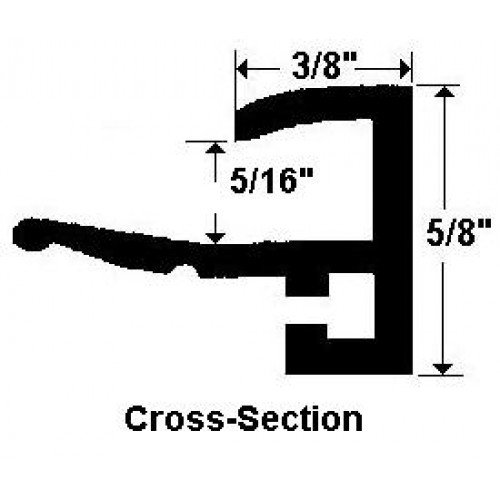
The defining characteristic of a high-quality quadro frame is its profile. Unlike standard, flat frames, quadro-style designs often feature a dimensional quality that adds depth to your wall. When shopping, consider the 'lip' of the frame—the part that holds the artwork in place. A deeper profile can create a shadow-box effect, which is excellent for textured art, pressed flowers, or thick photography. If you are aiming for a modern, seamless look, opt for a slim-profile frame that minimizes the border between the art and the wall. Conversely, if you want the frame to act as a piece of sculpture itself, look for wider, more substantial moldings that command attention.
Material Composition and Longevity
The material of your frame dictates both its weight and its lifespan. Wood remains the gold standard for many collectors due to its natural grain and ability to be stained or painted to match specific decor. Solid wood frames offer a premium feel and superior structural stability. For those seeking a more contemporary or industrial aesthetic, metal frames—often aluminum—provide a sleek, lightweight, and incredibly durable alternative. Metal is particularly resistant to warping over time, making it a smart choice for larger, heavier pieces. Avoid low-grade plastic composites if you intend to display valuable or heirloom-quality prints, as these can degrade or bow under environmental stress.
Glass vs. Acrylic: Clarity and Protection
One of the most critical decisions in frame selection is the glazing. Traditional glass offers excellent scratch resistance and a classic look, but it is heavy and prone to shattering. If you are framing large-scale works, the weight of glass can put significant strain on hanging hardware. Acrylic (often referred to as plexiglass) is a popular alternative because it is lightweight and virtually unbreakable, making it ideal for high-traffic areas or homes with children. However, ensure you look for 'UV-protective' acrylic or glass. Standard glazing can allow ultraviolet rays to fade your artwork over time. High-end frames mitigate this risk by filtering out harmful light spectrums.
Aesthetic Integration and Matting Options
A frame should complement your art, not compete with it. When selecting a color, consider the 'temperature' of your room. Cool tones like silver, black, or white work well in modern, minimalist settings, while warm wood tones suit traditional or bohemian environments. Furthermore, consider the role of the mat. A wide, acid-free mat can provide 'breathing room' for an image, making a small photograph appear more significant and professional. If you are buying a frame without a pre-installed mat, ensure the frame's internal dimensions allow for custom matting to prevent the artwork from touching the glazing, which can cause moisture damage or sticking.
Recommendation Logic
To make the final decision, follow this logic: If the art is a delicate, valuable original, prioritize solid wood and UV-protective glass. If the goal is a modern gallery wall with many pieces, prioritize lightweight aluminum frames and acrylic glazing to simplify installation. For statement pieces, look for deep-profile quadro frames that add a three-dimensional architectural element to your room.