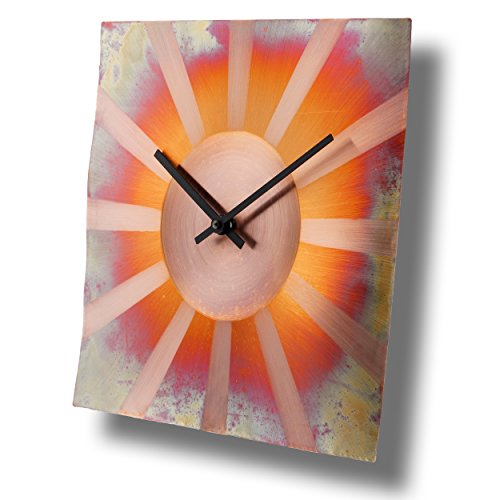
Material Integrity and Texture
The most defining characteristic of a handmade clock is the material used in its construction. Unlike factory-molded goods, handmade pieces often showcase the natural irregularities that make them unique. When shopping, pay close attention to the wood grain, the weight of the metal, or the smoothness of the ceramic. If you are choosing a wooden clock, look for solid hardwoods rather than veneers. Solid wood allows for a deeper patina over time, meaning the clock will actually look better as it ages. For metal-based handmade clocks, consider the finish—brushed metals offer a contemporary, muted look, while hammered copper or brass provides a more traditional, artisanal feel. The texture of the material should complement the tactile nature of your room's decor.
Movement Quality and Noise Levels
A clock is only as good as its movement. Even the most beautiful handmade shell is rendered useless if the internal mechanism is unreliable. When evaluating a handmade timepiece, inquire about the type of movement it utilizes. Many high-end artisanal clocks use quartz movements for precision, but you should specifically look for 'silent sweep' or 'non-ticking' mechanisms if the clock is intended for a bedroom or a quiet home office. A rhythmic, loud 'tick-tock' can be charming in a rustic hallway, but it can become a source of irritation in a space meant for concentration or sleep. Always prioritize smooth, continuous motion over the jerky, stepped movement found in cheaper alternatives.
Scale and Spatial Proportion
One of the most common mistakes in home styling is choosing a clock that is either swallowed by a wall or overwhelms a mantel. Handmade clocks often have significant visual weight due to their heavy, natural materials. Before purchasing, use painter's tape to outline the dimensions of the clock on your intended wall. A small, intricate wooden clock might look exquisite on a bookshelf, but it will disappear on a large, blank dining room wall. Conversely, a large-scale metal wall clock can make a small room feel cluttered if it occupies too much visual real estate. Consider the 'negative space' around the clock. Artisanal pieces need room to 'breathe' so their craftsmanship can be appreciated.
Design Language and Cohesion
Handmade clocks generally fall into distinct stylistic categories: rustic, industrial, mid-century modern, or minimalist. Your decision should be driven by the existing design language of your home. If your decor relies on organic shapes and warm tones, look for clocks with live edges or hand-carved details. If your space is defined by clean lines and monochromatic palettes, seek out clocks that emphasize geometric precision and subtle textures. The goal is not necessarily to match your furniture perfectly, but to ensure the clock feels like an intentional part of the environment rather than an afterthought.
Maintenance and Longevity
Because these are artisanal goods, they may require different care than standard decor. Wood may need occasional oiling to prevent cracking in dry climates, and metal finishes might require gentle dusting to prevent oxidation. When selecting your clock, consider whether you are prepared to maintain its unique finish. A well-made handmade clock is an investment in longevity. Look for pieces that use high-quality assembly methods, such as reinforced mounting hardware, to ensure the clock remains secure on your wall for decades to come.