Understanding Nut Geometry and Shapes
The first step in selecting the right hardware is identifying the physical shape required for your application. The standard hex nut is the most versatile, providing six flat sides that allow for easy gripping with a wrench or socket. However, specific environments demand specialized shapes. For instance, Nyloc nuts (nylon-insert lock nuts) feature a non-threaded nylon collar that creates friction against the bolt threads, preventing the nut from loosening due to vibration. This is critical in automotive or mechanical applications where constant movement occurs.
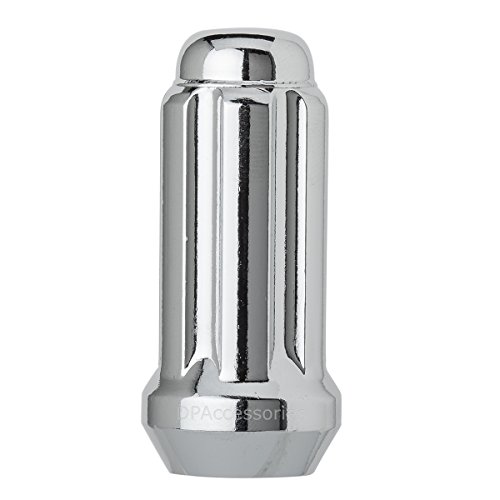
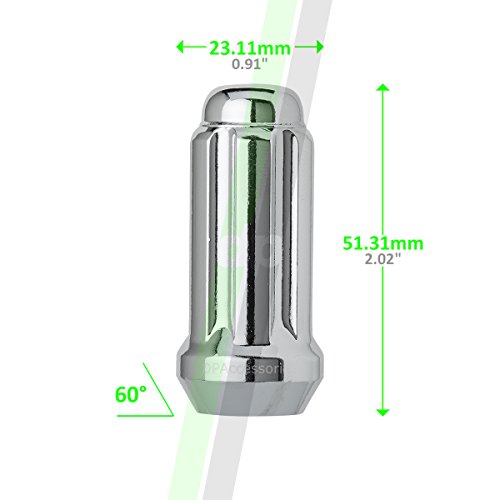
If you are working in tight spaces where a wrench cannot reach, flange nuts are an excellent choice. These feature an integrated circular base that acts as a built-in washer, distributing the load over a wider surface area and reducing the risk of damaging the material being fastened. For high-precision or aesthetic applications, cap nuts (acorn nuts) provide a smooth, rounded finish that covers the end of the bolt, preventing snagging and providing a polished look.
Material Composition and Corrosion Resistance
The environment in which your hardware will live dictates the material you must choose. Using a standard carbon steel nut in a marine or outdoor setting will result in rapid oxidation and seizure. For most general-purpose indoor applications, zinc-plated steel offers a basic level of protection against rust at a low cost. However, for superior longevity, look for stainless steel (such as 304 or 316 grades). Stainless steel is highly resistant to corrosion and is the gold standard for outdoor, food-grade, or chemical-heavy environments.
In specialized industrial settings, you may encounter brass nuts, which are preferred for their non-sparking properties and resistance to certain corrosive agents, or galvanized steel, which provides a much thicker protective coating for heavy construction projects. Always match the material of the nut to the material of the bolt to prevent galvanic corrosion, which occurs when two dissimilar metals react in the presence of moisture.
Thread Pitch and Dimensional Accuracy
The most common mistake in hardware selection is a mismatch in thread pitch. Nuts are categorized by two main systems: Metric and Imperial (Unified Thread Standard). Within these systems, the 'pitch'—the distance between thread peaks—must match your bolt exactly. A nut with the correct diameter but the wrong pitch will feel like it fits initially but will quickly cross-thread and destroy the hardware.
When shopping, pay close attention to the thread density. For high-stress applications, a finer thread pitch can sometimes offer more control, whereas a coarser thread is often more resistant to debris and easier to clean. Additionally, ensure the internal diameter and the 'width across flats' (the distance between the parallel sides of the hex) are compatible with the tools you have on hand. A nut that is slightly undersized for your socket will lead to rounding the edges, rendering the hardware useless.
Summary Checklist for Buyers
To ensure you make the right choice, run through this quick mental checklist: 1. Does the application involve high vibration? (If yes, choose a lock nut). 2. Is the environment wet or salty? (If yes, choose stainless steel). 3. Is there a need to distribute pressure? (If yes, choose a flange nut). 4. Have I verified both the diameter and the thread pitch against my fastener?