Understanding Impact Technology and Shell Construction
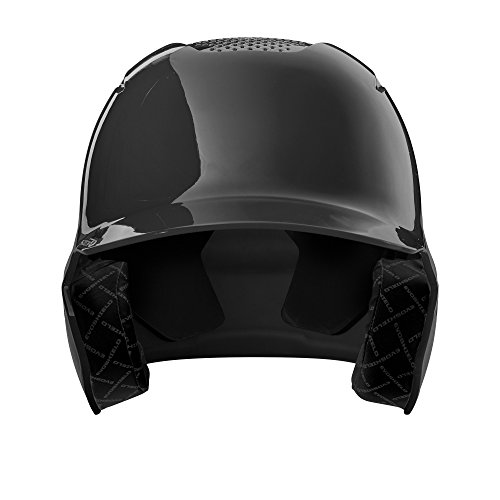
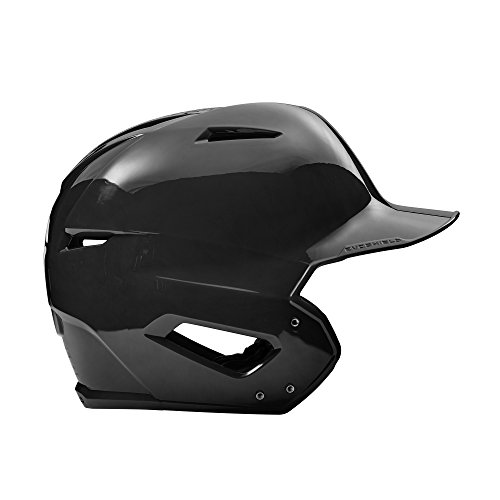
The core value of an EvoShield helmet lies in its ability to manage kinetic energy. When shopping, look closely at the internal padding systems. EvoShield often utilizes specialized foam densities that are designed to compress upon impact, effectively slowing down the deceleration of the head. A high-quality helmet should feature a hard, high-impact outer shell that prevents penetration, paired with an inner liner that absorbs the shock. If you are selecting a helmet for high-velocity sports like baseball or softball, ensure the shell is rigid enough to withstand direct contact while the interior remains plush enough to prevent secondary bruising.
Prioritizing Fit and Adjustability
A helmet is only as effective as its fit. A loose helmet can shift during play, potentially leaving vulnerable areas exposed, while a helmet that is too tight can cause discomfort and distraction. EvoShield is known for its ergonomic designs, but you should specifically look for models that offer adjustable dial systems or customizable padding. For youth players, look for helmets with multi-size adjustment capabilities, as they will likely outgrow standard fixed-size gear quickly. For adults, a 'snug but not constricting' fit is the goal. You should be able to shake your head vigorously without the helmet shifting significantly on your brow line.
Face Protection and Visor Options
Depending on your position and the specific sport, you may need more than just cranial protection. Many EvoShield helmets offer integrated face protection, such as C-Flap technology or various cage configurations. If you are a batter, a helmet with an integrated cheek guard or a low-profile flap can provide essential protection against wild pitches without obstructing your peripheral vision. When evaluating these options, pay attention to the weight of the face guard. A heavy guard can cause neck fatigue over long periods, so aim for a balance between high-visibility sightlines and robust structural integrity.
Weight vs. Durability: The Athlete's Trade-off
Every athlete faces the dilemma of wanting the lightest gear possible versus the most durable protection. In competitive play, a lighter helmet reduces neck strain and allows for faster reaction times. However, ultra-lightweight models may sometimes sacrifice the thickness of the impact-absorbing foam. We recommend analyzing your specific usage: if you are a casual player, a mid-weight, highly durable helmet is ideal. If you are a high-level competitor, look for the premium, lightweight composite materials that EvoShield offers, which provide high-level protection without the bulk.
Ventilation and Thermal Management
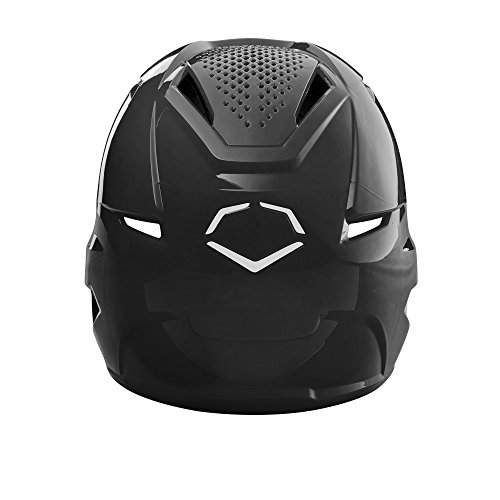
Playing in high heat can turn a helmet into an oven. Look for helmet designs that incorporate ventilation ports or moisture-wicking liners. While a fully enclosed helmet offers more protection, it can lead to overheating and sweat buildup, which can impair vision and comfort. A well-ventilated EvoShield helmet will allow for airflow to regulate scalp temperature, ensuring that you stay focused on the game rather than the heat inside your gear.