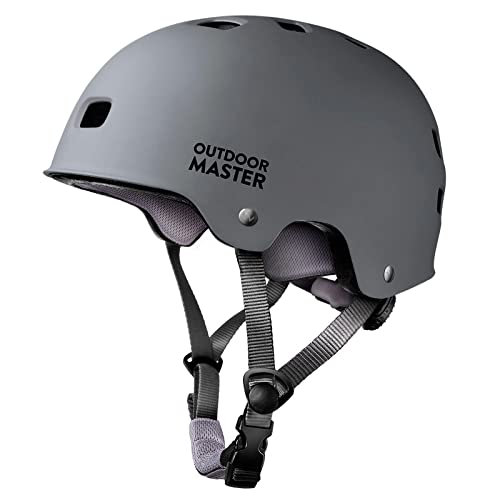
Prioritize Impact Protection Standards
The most fundamental aspect of any helmet is its ability to absorb energy during a collision. When evaluating Outdoormaster options, look beyond the aesthetic and check for compliance with international safety certifications. You want a helmet that utilizes high-density expanded polystyrene (EPS) liners, which are engineered to crush slightly upon impact, thereby dissipating the force that would otherwise be transferred to your skull. Some high-end models may also feature multi-density foam, which provides better protection against both low-speed bumps and high-velocity impacts. Always ensure the helmet meets the specific safety ratings required for your sport, whether that is downhill biking, climbing, or general mountain activities.
Evaluate Shell Construction and Weight
The architecture of the helmet shell significantly influences both its durability and its comfort. You will generally encounter two main types of construction: In-Mold and Hard Shell. In-Mold technology, where the outer shell is fused directly to the EPS liner during the molding process, results in a much lighter helmet. This is crucial for long days on the trail where neck fatigue can become a real issue. Hard Shell construction, while slightly heavier, often provides superior abrasion resistance. When deciding, consider your activity level: if you are performing high-intensity, aerobic activities, prioritize the weight savings of In-Mold. If you are engaging in high-speed gravity sports, the ruggedness of a reinforced shell might be worth the extra grams.
Ventilation and Thermal Regulation
A helmet that protects you from impact but causes overheating is a liability. Effective thermal regulation is achieved through a strategic network of intake and exhaust vents. Look for designs that feature large front intake ports to pull in cool air and rear exhaust ports to allow hot air to escape via the chimney effect. For summer riding or high-exertion climbs, prioritize models with high vent counts. For colder environments or high-altitude expeditions, you may want to look for helmets that offer more coverage to retain body heat, or even models that are compatible with thermal liners.
The Importance of the Fit System
A helmet only works if it stays in place. A loose helmet can shift during an impact, potentially causing more harm than good, while a helmet that is too tight will cause discomfort and headaches. Pay close attention to the adjustment dial located at the rear of the helmet. A high-quality micro-adjustment system allows you to fine-tune the tension around the occipital bone, ensuring a snug, customized fit. Additionally, check the thickness and adjustability of the chin straps and the depth of the helmet's interior padding. The goal is a 'second skin' feel—secure enough that the helmet does not wobble when you shake your head, but comfortable enough to wear for hours at a time.
Decision Logic: Which One is for You?
To make your final selection, follow this logic: First, define your primary discipline (e.g., technical descent vs. casual trail riding). Second, weigh the importance of weight against durability. Third, assess your local climate to determine the necessary ventilation levels. If you are a speed-focused rider, go for a lightweight, highly ventilated In-Mold helmet with a precision fit system. If you are a rugged explorer, prioritize a more robust shell with maximum coverage. By following this hierarchy, you ensure that your Outdoormaster helmet is a functional tool rather than just an accessory.