Prioritize Safety Certifications
Before looking at colors or patterns, the most critical factor in any helmet purchase is the safety rating. Retrospec helmets are designed to meet rigorous safety standards, but you must ensure the specific model you choose is certified for your intended activity. For standard cycling, look for CPSC (Consumer Product Safety Commission) certification. If you are venturing into skateparks or riding trick scooters, you may require helmets that meet ASTM (American Society for Testing and Materials) standards, which are designed to handle the specific types of impacts common in skate and street sports. Always check the interior labeling or the product description to confirm the helmet meets the specific safety requirements for your sport.
Determine the Intended Activity
Retrospec offers a diverse range of silhouettes, and using a helmet designed for one activity in another can lead to discomfort or inadequate protection. There are three primary categories to consider:
- Urban/Commuter Helmets: These often feature a more rounded, classic shape. They are designed for visibility and comfort during casual rides and are frequently paired with lifestyle apparel.
- Skate/Multi-Sport Helmets: These typically feature more coverage around the temples and the back of the head. They are built with a more rugged shell to withstand the bumps and scrapes common in skateparks.
- Kids' Helmets: These are scaled specifically for smaller cranial shapes and often include additional features like adjustable dials for a precision fit, which is vital for growing children.
Focus on Fit and Adjustability
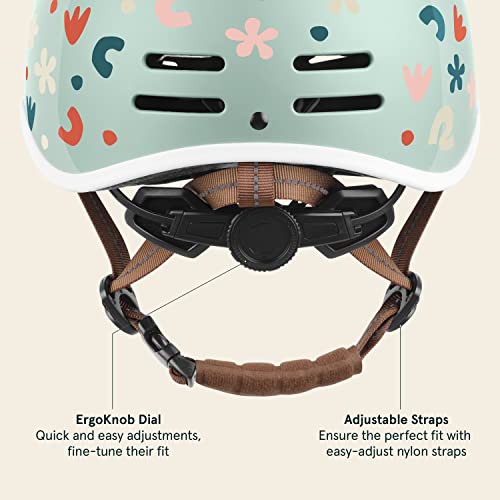
A helmet is only effective if it stays in place during an impact. A loose helmet can shift, potentially leaving vulnerable areas exposed. When evaluating Retrospec options, pay close attention to the adjustment systems. Most modern models utilize a micro-adjustment dial at the rear of the helmet, allowing you to tighten the shell snugly against the occipital bone (the base of your skull). Additionally, examine the chin strap system. Look for padded straps that won't chafe the skin and a buckle that is easy to manipulate with one hand. The 'shake test' is a great way to verify fit: once the helmet is buckled, shake your head side-to-side. The helmet should move with your skin, not slide independently over your forehead.
Ventilation and Weight
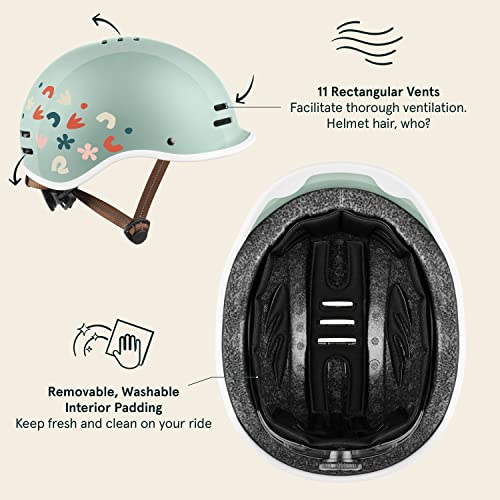
If you plan on riding in warmer climates or during intense summer commutes, ventilation is non-negotiable. Look for helmets with strategic airflow channels and multiple vent ports. While more vents generally mean better cooling, they can sometimes impact the structural integrity or the 'look' of the helmet, so find a balance that suits your style. Similarly, consider the weight. While Retrospec helmets are generally lightweight, a heavier helmet can lead to neck fatigue during long rides. If you are a commuter who wears a helmet for extended periods, prioritizing a lightweight EPS (expanded polystyrene) foam construction will significantly improve your comfort.
Aesthetics and Visibility
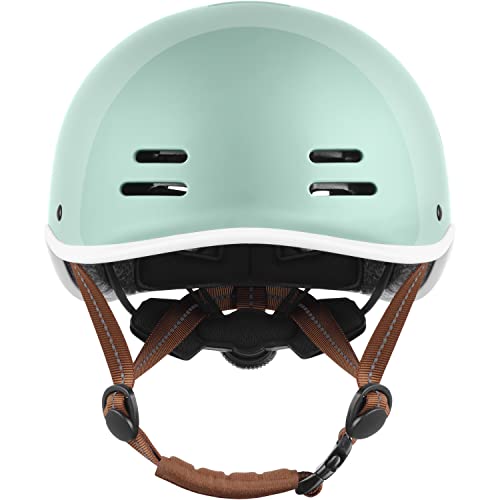
One of the primary reasons riders gravitate toward Retrospec is their design language. They offer a wide array of colors, from muted matte finishes to vibrant, retro-inspired patterns. Beyond aesthetics, consider the visibility aspect. While bright colors are stylish, they also serve a functional purpose by making you more visible to motorists. If you frequently ride at dusk or in low-light urban environments, choosing a helmet with lighter colors or integrated reflective elements can provide an extra layer of passive safety.