Determine the Application and Load Requirements
The first step in selecting a hinge is identifying what it will be supporting. Not all hinges are created equal in terms of weight distribution. For standard interior bedroom or bathroom doors, a basic butt hinge is usually sufficient. However, if you are dealing with heavy solid-core doors or oversized entry doors, you must look for heavy-duty hinges with thicker leaves and reinforced knuckles. For cabinetry, the requirements shift from weight-bearing to precision. Cabinet hinges often need to manage the repetitive motion of opening and closing small doors without losing alignment. Always calculate the approximate weight of the door or lid and ensure the hinge's rated load capacity exceeds that weight to prevent premature wear or bending.
Material Composition and Finish Durability
The environment where the hinge will live is just as important as the weight it carries. For high-moisture areas like bathrooms, kitchens, or outdoor gates, stainless steel is the gold standard because of its inherent resistance to rust and corrosion. If you are working on interior furniture, brass or zinc alloys are popular for their aesthetic versatility and smooth operation. When selecting a finish, consider both style and maintenance. While oil-rubbed bronze or matte black finishes offer a modern aesthetic, they can be prone to showing fingerprints or scratches in high-traffic areas. For long-term reliability in coastal or humid climates, avoid plated steels that may flake or corrode over time, and instead opt for solid non-ferrous metals.
Mechanism Type and Motion Profile
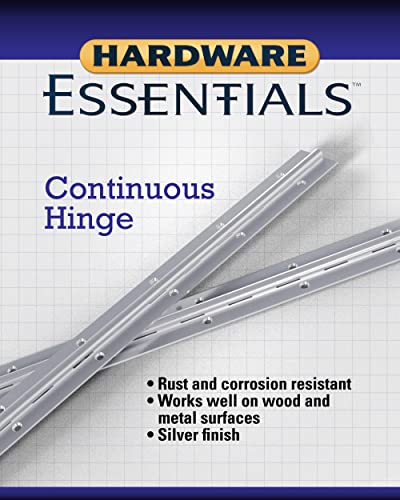
How do you want the object to move? This is where many buyers make mistakes. If you are upgrading kitchen cabinets, you will likely need concealed European-style hinges. These allow for three-way adjustment (up/down, left/right, in/out), which is critical for ensuring cabinet doors sit perfectly flush and aligned. If you are building a chest or a lid, you might require piano hinges, which run the entire length of the edge to distribute weight evenly, or friction hinges that allow a lid to stay open at a specific angle. For specialized needs, such as concealed door applications where the hinge is invisible when the door is closed, you will need to invest in high-end mortise hinges that require precise installation but offer a seamless architectural look.
Installation Compatibility and Hardware Fit
Before purchasing, measure your existing hinge mortises (the cutouts in the wood). If you are replacing an old hinge, a 'drop-in' replacement that matches the existing dimensions will save you hours of woodworking. If you are installing new hardware, ensure the screw pattern is compatible with your material. For example, softwoods may require different screw lengths than hardwoods to prevent stripping. Additionally, pay attention to the 'swing' or 'overlay' requirements. Some hinges are designed to sit on top of a cabinet frame, while others are designed to sit flush within it. Miscalculating the overlay is the most common cause of door misalignment during installation.