Understanding Lock Mechanisms and Security Ratings
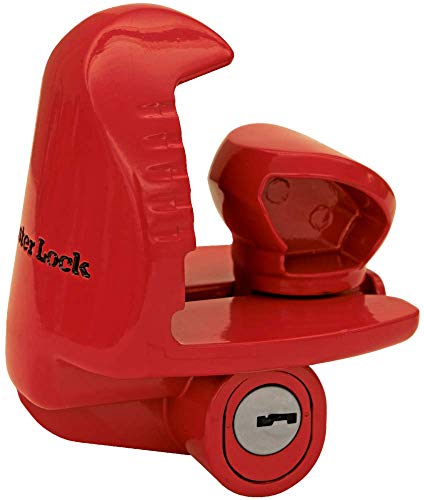
The first step in choosing a hitch lock is determining the level of physical resistance you require. Master Lock offers various levels of security, ranging from basic deterrents to heavy-duty hardened steel constructions. For light-duty utility trailers used in residential areas, a standard shrouded lock may suffice. However, if you are hauling expensive equipment, look for locks that feature a boron-carbide or hardened steel shackle. These materials are specifically chosen for their ability to resist cutting tools and drilling. Pay close attention to the security rating of the cylinder. A high-security cylinder is much harder to pick or bump, which is a common tactic used by opportunistic thieves.
Receiver Size and Fitment Compatibility
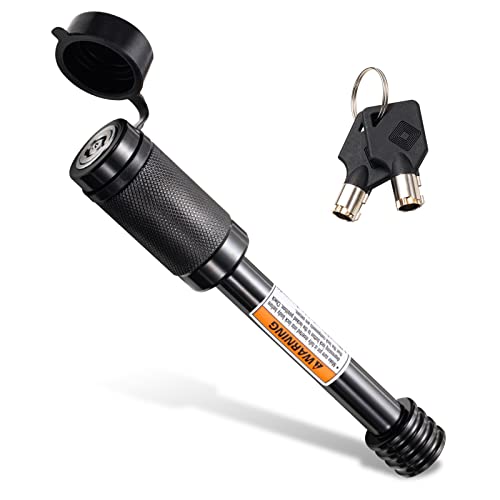
One of the most critical technical factors is the size of your hitch receiver. Hitch receivers come in standard sizes, most commonly 1.25-inch and 2-inch diameters. A lock that is too small will leave a gap that allows for easy tampering, while a lock that is too large simply won't fit. When shopping, you must measure the internal diameter of your receiver precisely. Some advanced hitch locks are designed as 'pin' style locks, which slide directly into the center of the receiver to prevent the hitch from being uncoupled, while others act as a 'block' that sits at the mouth of the receiver to prevent the trailer from being disconnected from the vehicle. Ensure the lock type matches your specific security goal: preventing the trailer from being stolen, or preventing the hitch from being detached.
Weather Resistance and Material Durability
Because hitch locks are exposed to the elements—rain, snow, road salt, and mud—durability is non-negotiable. A lock that seizes up due to corrosion is effectively useless. Look for models that feature weather-resistant coatings or zinc plating to prevent rust. Furthermore, check the quality of the keyway. A keyway that is poorly sealed can allow moisture and debris to enter the cylinder, leading to jamming. High-quality options often include protective caps or specialized lubricants that maintain smooth operation even after months of exposure to harsh environments.
Key Management and Access Convenience
Finally, consider how you will manage your keys. Some hitch locks come with a limited number of keys, while others offer more flexibility. If you are part of a fleet or a large group of users, look for options that offer key duplication capabilities or keyed-alike features, allowing one key to open multiple locks. Additionally, consider the ease of use. A lock that is difficult to manipulate with gloves on can be a major inconvenience during cold-weather operation. A well-designed hitch lock should offer a seamless balance between high-level physical security and user-friendly functionality.