Understanding Material Composition and Durability
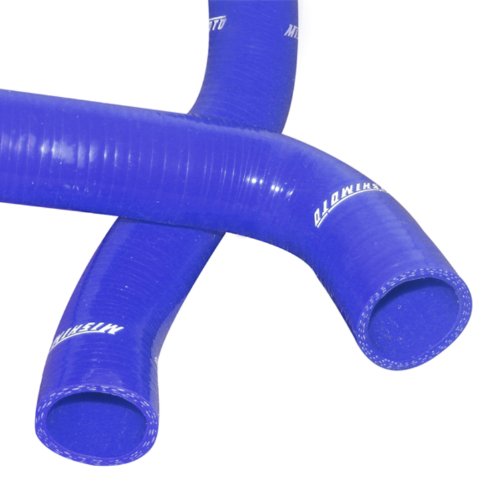
The primary reason to move away from factory equipment is the material science behind performance hoses. Most high-end options in this category utilize multi-layer silicone construction. Unlike standard EPDM rubber, high-quality silicone is significantly more resistant to the extreme temperatures found in modern turbocharged or supercharged engines. When shopping, look for hoses that specify a multi-layer design. This typically includes a reinforced inner liner and a high-strength fabric mesh layer. This reinforcement prevents the hose from expanding under pressure (ballooning), which is vital for maintaining consistent flow rates and preventing sudden bursts during high-load driving.
Matching Hoses to Specific System Demands
Not all hoses serve the same purpose, and selecting the wrong type for your application can lead to failure. You must categorize your needs into three main areas: cooling, induction, and oil management.
- Radiator Hoses: These are designed to handle pressurized coolant. Look for kits that offer a direct fit for your specific engine layout to avoid the need for makeshift clamps or awkward bends.
- Intercooler and Charge Pipes: If you are increasing boost levels, your intake system faces much higher pressures than a standard vacuum line. These hoses must be constructed from heavy-duty silicone and often feature specialized couplers to ensure a vacuum-tight seal under high PSI.
- Oil and Fuel Lines: These require specific chemical resistance. A hose designed for coolant will degrade rapidly if used for oil or fuel. Always ensure the product is rated for the specific fluid it will carry.
Fitment and Installation Complexity
One of the most significant decision factors is the difference between universal hoses and vehicle-specific kits. Universal hoses offer versatility but require significant time spent measuring, cutting, and bending, which can lead to suboptimal flow paths or weak points at the connection sites. For most enthusiasts, vehicle-specific kits are the superior choice. These are engineered to follow the exact geometry of your engine bay, ensuring that the hose doesn't rub against sharp chassis components or interfere with other moving parts like fans or belts. A precision fit also ensures that the clamps seat perfectly, minimizing the risk of leaks.
Thermal Management and Color Selection
While aesthetic appeal is a major driver for many tuners, the color of a silicone hose can sometimes indicate its intended use or the quality of the pigment used. While bright colors like blue, red, or black are standard, the most important factor is how the material handles heat soak. High-performance silicone is an excellent insulator, helping to keep the fluid inside at a more stable temperature compared to metal or low-grade rubber. When selecting a kit, consider how the color will complement your engine bay, but never sacrifice the thickness and reinforcement of the hose for a purely visual upgrade.
Final Recommendation Logic
To make the best purchase, first identify your primary goal: are you preventing a leak, increasing boost capacity, or improving cooling efficiency? If you are building a high-horsepower street car, prioritize reinforced charge pipes. If you are performing routine preventative maintenance, a complete silicone radiator hose kit is the most cost-effective way to ensure your cooling system remains reliable for years to come. Always verify that the kit includes all necessary high-quality clamps, as a high-performance hose is only as good as its connection to the engine.