Determining the Ideal Height and Clearance
The most common mistake in purchasing kitchen benches is overlooking the critical relationship between the bench seat and the underside of your counter or island. Kitchen counters typically sit at a standard height of 36 inches, requiring counter-height stools (roughly 24 to 26 inches high). If you are sitting at a bar-height surface (usually 42 inches), you will need bar-height stools (roughly 28 to 30 inches high). When browsing Baxton Studio options, always check the specific seat height. You want at least 10 to 12 inches of 'leg room' between the seat and the counter edge to ensure comfort and prevent your knees from knocking against the cabinetry.
Material Durability vs. Aesthetic Appeal
Baxton Studio is known for its diverse material palette, ranging from warm wood grains to plush, high-density foams wrapped in velvet or faux leather. If your kitchen is a high-traffic zone where children or pets are present, prioritize materials that are easy to wipe down. Faux leather and treated fabrics are excellent for resisting spills, whereas velvet offers a high-end, tactile experience that elevates the room's mood but may require more frequent vacuuming and specialized cleaning. For those seeking a more industrial or rustic look, solid wood frames provide a structural weightiness that feels permanent and grounded.
Style Integration and Visual Weight
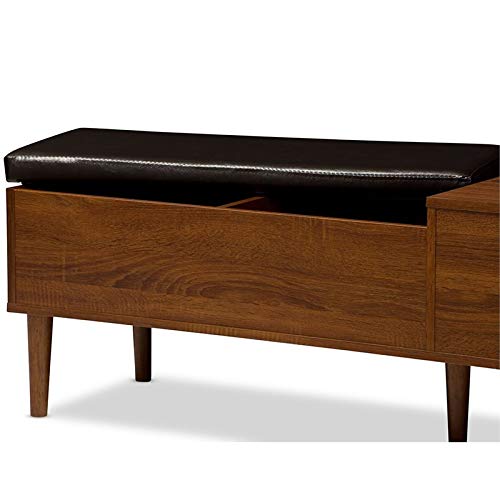
Because benches are often placed in open-concept living areas, they act as furniture pieces that must coordinate with both your kitchen and your living room. If your kitchen is minimalist, look for benches with slender metal legs or tapered wooden legs to maintain a sense of 'airiness.' This prevents the kitchen island from looking cluttered. Conversely, if you have a large, expansive kitchen, you can afford to choose benches with more substantial upholstery or bold, saturated colors to act as a focal point. Consider the leg finish—brushed gold, matte black, or natural oak—to ensure it complements your existing cabinet hardware and light fixtures.
Stability and Ergonomic Support
A bench is only as good as its stability. When evaluating a potential purchase, look at the base construction. Cross-bracing or reinforced footrests are essential for preventing wobbling, especially in models designed with thinner, more elegant legs. Ergonomics should also play a role in your decision. While backless benches are excellent for tucking completely under a counter to save space, they offer less lumbar support for long meals. If your kitchen bench will be used for extended breakfast periods or morning coffee, opting for a model with a supportive backrest and contoured cushioning will significantly improve the user experience.
Finally, consider the footprint of the bench. If you are working with a narrow galley kitchen, a set of stools with a small base diameter will allow for easier movement around the perimeter. If you have a large island, you might opt for a bench-style seat that accommodates multiple people side-by-side, which can sometimes be more space-efficient than individual chairs if the seating area is long and continuous.