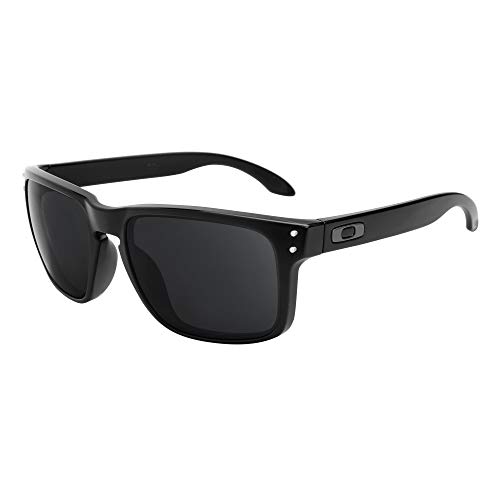
Understanding Lens Material and Index
The first decision you must make when selecting replacement lenses is the material composition. Most high-quality options fall into three categories: Polycarbonate, Trivex, and High-Index plastics. Polycarbonate is the industry standard for impact resistance, making it an excellent choice for active lifestyles or sports eyewear. However, if you have a high prescription, you should look toward High-Index materials. High-index lenses are thinner and lighter, preventing the 'coke bottle' effect where the edges of the lens protrude significantly from the frame. Trivex is a premium middle ground, offering superior optical clarity and impact resistance compared to polycarbonate, though it often comes at a higher price point. When shopping, always match the material to your prescription strength and your daily activities.
Prioritizing Optical Coatings
A lens is only as good as the coatings applied to its surface. For a truly transformative experience, do not settle for basic lenses. Look for a multi-layer anti-reflective (AR) coating. This reduces glare from digital screens, headlights at night, and overhead office lighting, which significantly decreases eye strain. If you spend a significant amount of time outdoors, ensure the lenses include a high-quality UV protection layer that blocks both UVA and UVB rays. Additionally, consider 'Blue Light' filtering if your lifestyle involves heavy computer use. While some debate the necessity, many users find that a specialized coating for high-energy visible (HEV) light helps maintain visual comfort during long workdays.
Customization: Tint and Polarization
One of the primary reasons users seek out specialized replacement lenses is to change the aesthetic or functional tint of their eyewear. You can choose between solid tints, gradient tints, or polarized options. Polarization is a game-changer for driving and water-based activities, as it specifically targets and eliminates horizontal glare reflecting off surfaces. If you are looking for fashion-forward eyewear, gradient tints (where the color fades from dark at the top to lighter at the bottom) offer a sophisticated look that is useful for transitioning between bright sunlight and indoor environments. Ensure that whatever tint you choose does not compromise the clarity of your prescription.
Compatibility and Fitment Precision
The most critical technical factor is the fit. Unlike buying a new pair of glasses where the frame and lens are integrated by a manufacturer, replacement lenses must be precision-cut to fit your specific existing frame. When selecting a lens provider, verify that they offer a robust compatibility verification process. You need to be certain that the lens geometry matches your frame's specific shape and depth. A poor fit can lead to 'edge play,' where the lens wobbles within the rim, or worse, a lens that is too thick to be seated properly. Look for providers that emphasize precision cutting and offer a guarantee that the lenses will integrate seamlessly with your current frames.
Recommendation Logic
To make your final decision, follow this hierarchy: First, define your primary use case (e.g., driving, office work, or sports). Second, select your material based on your prescription power. Third, add coatings based on your environmental stressors (glare vs. blue light). Finally, select your tint. If you are an athlete, prioritize Polycarbonate with Polarization. If you are a professional in an office, prioritize High-Index with Blue Light and AR coatings. By following this structured approach, you ensure that your eyewear upgrade is a functional improvement rather than just a cosmetic one.