Understanding Core Material Composition
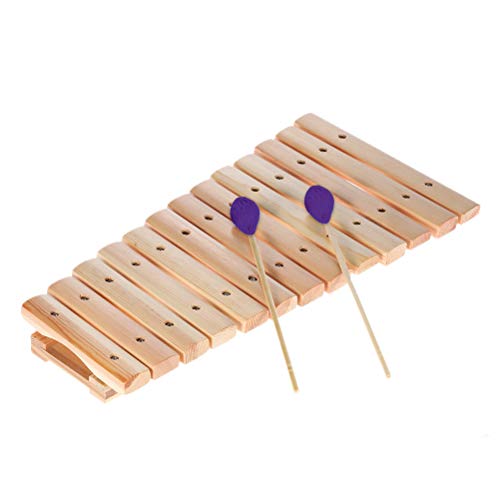
The most critical decision factor when selecting innovative mallets is the material used for the head. Traditional mallets often rely on natural wool or felt, which can be inconsistent in density and prone to shedding or moisture absorption. Innovative alternatives utilize high-density synthetics, silicone, and specialized polymers. Silicone mallets, for instance, offer a unique ability to produce a 'dry' attack while maintaining a warm fundamental tone, making them excellent for modern compositions that require clarity over sustain. If you are playing instruments like the vibraphone, look for mallets with controlled hardness levels that prevent 'clicking' on the metal bars while still providing enough bite to define the note's start. For marimba players, the innovation lies in multi-layered cores that mimic the complex damping of natural felt but offer superior durability and repeatable response.
Shaft Dynamics and Ergonomic Engineering
The innovation in modern mallets extends well beyond the striking head to the shaft itself. The weight distribution—the balance point between the head and the grip—dictates how much effort is required to execute rapid rolls or delicate pianissimo passages. Innovative designs now feature tapered shafts made from carbon fiber or high-grade composite woods that provide a higher strength-to-weight ratio than traditional rattan or birch. A carbon fiber shaft offers incredible vibration dampening, preventing hand fatigue during long performances, whereas engineered wood composites can be tuned to provide a specific 'spring' or rebound. When evaluating a mallet, consider how the shaft's flexibility will interact with your specific playing style. A stiffer shaft provides more rhythmic precision, while a more flexible shaft allows for a broader, more atmospheric sound.
Tonal Intent and Attack Profiles
Every mallet has a 'voice,' and selecting one is akin to choosing a specific paintbrush for a canvas. You must categorize your needs based on the desired attack profile. Are you looking for a 'soft' mallet with a diffused, pillowy attack for ambient textures, or a 'hard' mallet with a sharp, percussive transient for rhythmic clarity? Innovative manufacturers are now creating 'hybrid' mallets that feature dual-density heads—a soft outer layer for warmth and a hard inner core for projection. This allows a single mallet to cover a wider dynamic range. When shopping, do not just look at the hardness rating. Look at how the material handles the 'decay' of the sound. A high-quality innovative mallet will allow you to control the resonance of the instrument, preventing the sound from becoming muddy or overly bright.
Durability and Environmental Resilience
One of the greatest advantages of modern, innovative percussion mallets is their resilience to environmental changes. Traditional felt mallets are notoriously sensitive to humidity, which can cause the heads to flatten or change density. If you perform frequently in outdoor settings or varied climates, prioritize mallets constructed from synthetic elastomers or treated composites. These materials maintain a consistent hardness regardless of temperature or moisture, ensuring that your sound remains predictable from the first note to the last. Investing in high-end synthetic materials may require a higher upfront cost, but the longevity and consistency they provide make them a superior choice for the professional musician.