Understanding Folder Construction and Material Weight
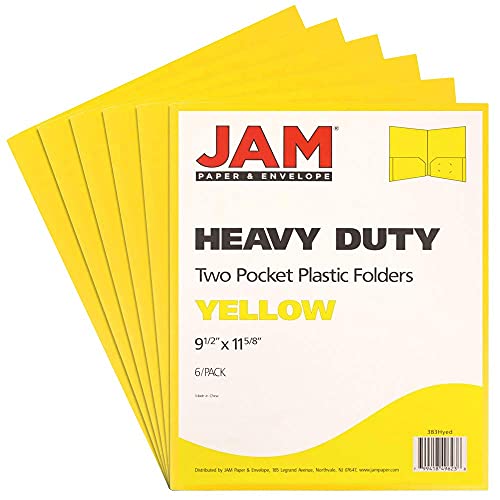
The first decision you must make is the material composition. Project folders generally fall into two categories: lightweight paper and heavy-duty cardstock. For light, temporary use—such as handing out worksheets in a classroom—standard paper folders are sufficient and cost-effective. However, if you are transporting documents between meetings or storing them in a backpack, you should prioritize heavy-duty or premium weight cardstock. Thicker folders resist bending and prevent the edges of your important documents from curling or getting damaged. If you are looking for maximum longevity, look for folders that specify a higher GSM (grams per square meter) or a reinforced texture.
Prongs vs. Pocket Styles
The mechanism used to hold your papers is the most critical functional factor. There are three primary configurations to consider:
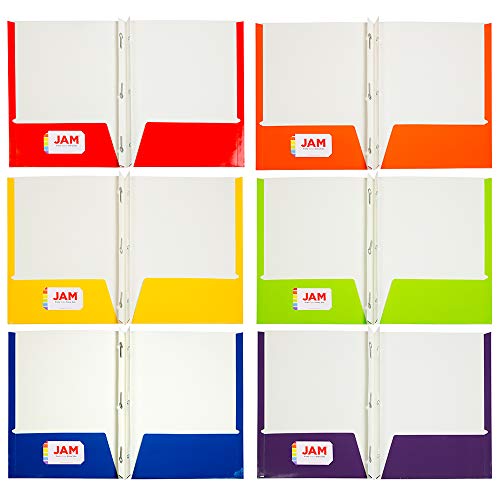
- Pocket Folders: These feature two interior pockets. They are ideal for loose sheets that you need to grab quickly, but they do not 'lock' the papers in place. If the folder is dropped or shaken, papers can slide out.
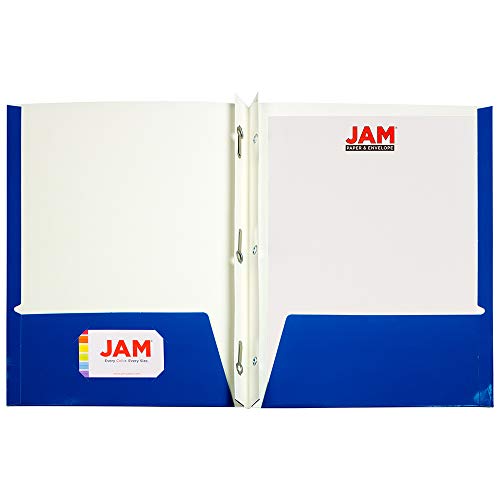
- Pronged Folders: These include metal fasteners (prongs) that allow you not only to store papers but to punch holes in them and secure them firmly. This is the gold standard for long-term projects, legal documents, or student portfolios where you cannot afford to lose a single page.
- Pocket and Prong Hybrids: These offer the best of both worlds, providing pockets for loose notes and prongs for permanent binding. This is the most versatile option for comprehensive project management.
Color-Coding and Organizational Logic
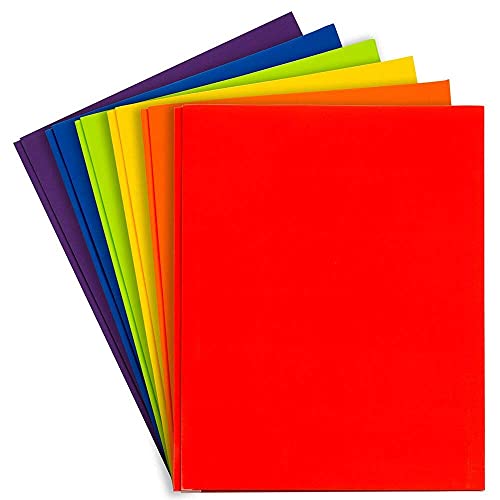
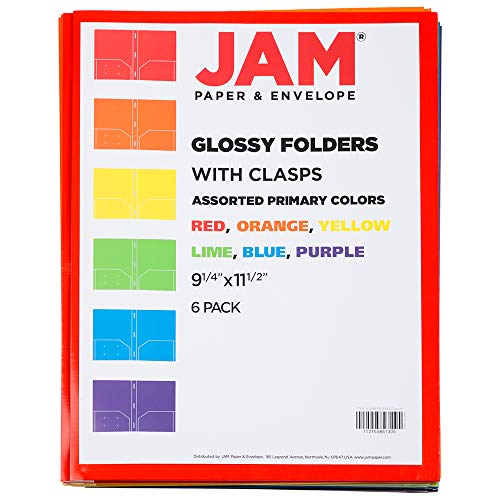
One of the primary reasons to choose this specific brand is the sheer variety of colors. A smart organizational strategy uses color as a primary metadata tag. For example, you might assign blue folders to 'Financials,' red to 'Urgent Tasks,' and green to 'Completed Projects.' When shopping, consider whether you need a single solid color or if a multi-pack of assorted colors is more economical. If you are organizing a single large project, a monochromatic set can create a professional, unified aesthetic for presentations.
Size and Capacity Requirements
Standard letter-size folders are the norm, but always verify the dimensions if you are working with specialized media. Furthermore, consider the 'expansion' factor. If you intend to store more than 20 sheets of paper, a slim folder will bulge, causing the edges to fray and the pockets to tear. For high-volume storage, look for 'expanding' versions that feature pleated sides, allowing the folder to grow in thickness without losing its structural integrity.
Summary Recommendation Logic
To make your final selection, follow this logic: If you need quick access for temporary handouts, go with standard pocket folders. If you are a student or professional managing a long-term, multi-page report, prioritize prong-style folders in a heavy-duty weight. For those managing complex, multi-subject workflows, invest in a multi-color assortment to leverage visual categorization.