Understanding Grit Progression and Material Selection
The most fundamental decision in selecting sanding sheets is choosing the correct grit. Festool's catalog spans from coarse grits used for rapid material removal to ultra-fine grits intended for final finishing. A common mistake is jumping too quickly through the grit progression. To achieve a flawless surface, you must follow a logical sequence—for example, moving from 80 to 120, then 150, and finally 180 or higher. If you skip a step, the deeper scratches from the coarse grit will remain visible under your finish.
Beyond grit, you must consider the abrasive material itself. Aluminum oxide is the standard for general-purpose wood sanding, offering a balance of durability and cutting speed. However, if you are working with harder materials or need extended longevity, look for ceramic abrasives. Ceramic grains are sharper and more durable, making them ideal for heavy stock removal without the grit 'loading up' or glazing over prematurely.
Backing Flexibility and Sanding Applications
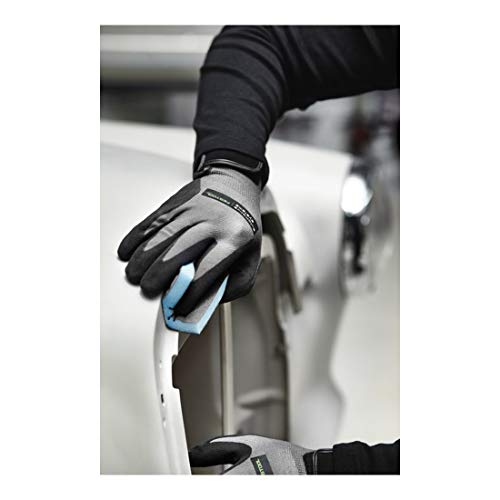
The 'feel' of the sanding sheet is dictated by its backing. Festool offers various backing types to suit different machine movements and surface geometries. For flat, large-scale surfaces, a standard paper backing provides the necessary stability to prevent the sheet from buckling. However, if you are working on contoured surfaces, curved moldings, or intricate joinery, you should look for flexible or cloth-backed sheets. These allow the abrasive to conform to the shape of the workpiece, ensuring even pressure and preventing 'rounding off' of sharp edges.
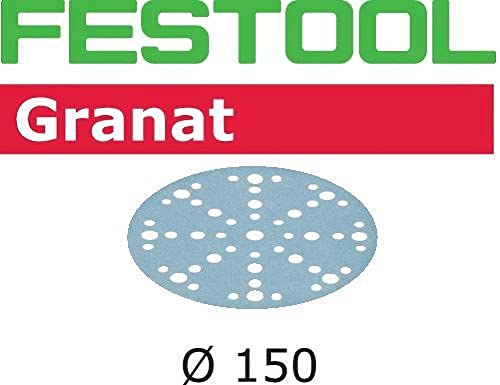
Furthermore, consider the dust extraction capabilities. One of the primary advantages of using high-quality sheets with Festool systems is the integrated hole pattern. Ensure the sheets you select are perfectly compatible with your sander's vacuum ports. Effective dust extraction doesn't just keep your workspace clean. It prevents dust from being trapped between the abrasive and the wood, which is the leading cause of heat buildup and surface scratching.
Durability vs. Cost-Efficiency
When budgeting for your projects, it is important to weigh the cost per sheet against the lifespan of the abrasive. While generic sheets are cheaper upfront, they tend to clog and dull quickly, leading to more frequent changes and potentially uneven sanding. Festool sheets are engineered for longevity. In a professional setting, a sheet that can handle a larger surface area before losing its 'bite' is more cost-effective than a cheap sheet that requires constant replacement. If you are performing a high-volume production run, investing in premium ceramic-coated sheets will save you significant time and labor costs in the long run.
Summary Recommendation Logic
To choose the right sheet, follow this logic: If you are stripping old finish or leveling uneven boards, prioritize coarse ceramic sheets for aggressive removal. If you are transitioning between stages, select aluminum oxide sheets for consistent, smooth progression. For the final pass before applying oil or lacquer, move to high-grit, fine-grain sheets to eliminate all visible imperfections. Always match the backing flexibility to the complexity of your workpiece's geometry to ensure a professional result.