Material Composition and Durability
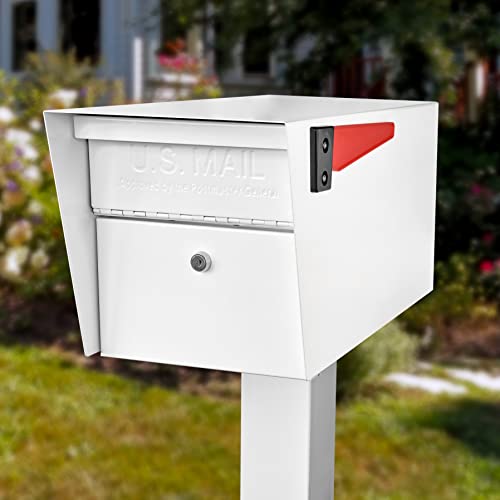
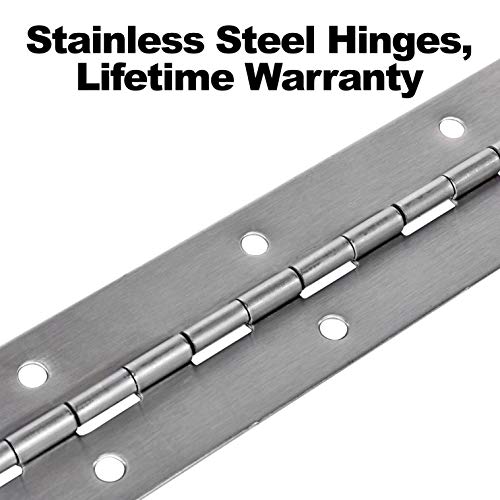
The most critical factor in a security mailbox is the gauge of the steel used in its construction. Unlike standard residential mailboxes made of thin aluminum or light-gauge steel, security-focused models utilize heavy-duty, powder-coated steel. You should look for units that boast a thick-walled construction, as this prevents thieves from using common tools like screwdrivers or pry bars to force the door open. Furthermore, the finish matters. A high-quality powder coating provides a barrier against oxidation and rust, which is essential if your mailbox is exposed to coastal salt air or heavy seasonal snowmelt. A mailbox that rusts through is a mailbox that loses its structural security.
Locking Mechanisms and Access Control
A security mailbox is only as good as its lock. There are generally two types of access patterns to consider: the single-user lock and the multi-user system. For private residences, a high-security cylinder lock is the standard. Look for locks that are resistant to picking and drilling. If you are managing an apartment complex or a multi-unit office, you will need a cluster-style system where each resident has a unique key. When evaluating these, check the ease of key replacement and whether the locking mechanism is integrated into the frame or simply attached as an afterthought. Integrated locks are significantly harder to bypass.
Anti-Fishing and Theft Deterrents
Modern mailbox theft often involves 'fishing,' where a thief inserts a tool or a hand through the mail slot to grab envelopes from the inside. To prevent this, prioritize mailboxes that feature an anti-fishing baffle. This is an internal component designed to redirect any object inserted through the slot, making it nearly impossible to reach the bottom of the bin. Additionally, consider the mounting style. A mailbox that is bolted directly to a heavy-duty post or a concrete pad is much harder to steal entirely than one that sits loosely in a standard plastic sleeve.
Volume and Mail Capacity
Security often comes at the cost of convenience, as thicker steel and complex locks can reduce the internal volume. Before purchasing, calculate your typical mail volume. If you receive large catalogs, magazines, or small packages, a compact security box will lead to overflow, which defeats the purpose of securing your mail. Look for models that offer an oversized interior or a dedicated compartment for larger items, ensuring that your mail stays inside the protected zone rather than sitting exposed on the ground.
Installation Requirements
Finally, consider the installation footprint. Heavy-duty security mailboxes are significantly heavier than standard models. You may need to upgrade your existing post to a reinforced steel bollard or a heavy-duty timber post to support the weight and prevent the mailbox from leaning over time. Ensure the unit you choose is compatible with your local postal service regulations regarding height and placement to avoid any delivery complications.