Understanding the Material: The Importance of Aromatic Cedar
When shopping for shoe trees, the quality of the wood is the most significant factor. You should specifically look for high-density, aromatic red cedar. Unlike cheaper alternatives or synthetic inserts, genuine cedar contains natural oils that are released when the wood is handled or exposed to air. These oils serve a dual purpose: they act as a mild antifungal agent and provide a pleasant, clean scent that eliminates the musty smell often found in worn footwear. High-density wood is also crucial because it is less likely to warp or crack over time under the pressure of the spring mechanism, ensuring a consistent fit for your shoes.
Size and Shape: Shoe Trees vs. Boot Trees
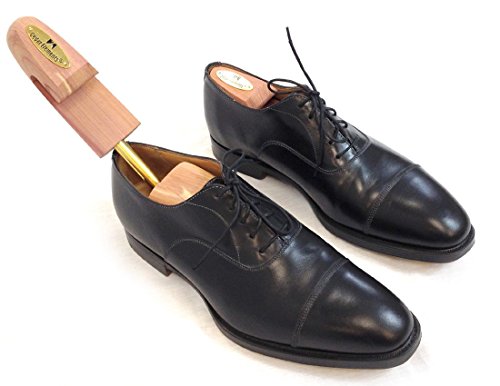
One of the most common mistakes is purchasing shoe trees for boots or vice versa. The geometry of the insert must match the silhouette of the footwear. Shoe trees are designed with a narrower profile and a shorter length, intended to fill the toe box and arch of standard oxfords, loafers, or sneakers. Boot trees, however, require a much longer shaft and a more robust structure to support the ankle and calf areas of tall boots. If you use a standard shoe tree in a tall boot, you will fail to prevent the leather from collapsing and creasing at the ankle, which can lead to permanent cracking. Always match the tree type to the specific height and volume of your footwear.
Spring Tension and Mechanical Build
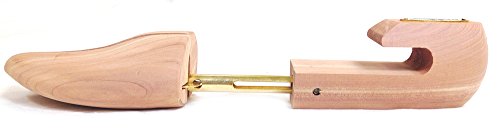
The mechanism that holds the tree in place is the engine of the product. Look for trees with a sturdy, adjustable spring mechanism. The tension should be firm enough to push against the leather to smooth out toe creases, but not so aggressive that it stretches the leather out of shape. High-quality trees often feature a split-wedge design or a heavy-duty metal spring that allows for subtle adjustments. Avoid products with flimsy plastic components or weak springs, as these will fail to provide the necessary internal pressure required to maintain the shoe's original shape.
Toe Shape and Last Compatibility
Not all footwear is shaped the same. If you own footwear with an extreme silhouette—such as highly pointed Italian loafers or wide, blunt-toed work boots—you must select trees that reflect those shapes. A tree with a generic, rounded toe may create unnatural pressure points in a pointed shoe, potentially damaging the leather or the stitching. For premium collections, look for trees that offer a more anatomical shape, mimicking the natural curve of a foot to provide even pressure distribution throughout the toe box.
Maintenance and Longevity
To get the most out of your cedar elements, remember that the wood is a consumable resource. Over time, the cedar will lose its ability to absorb moisture and its aromatic potency. A good sign of a quality tree is one that can be rejuvenated. You can lightly sand the surface of the wood with fine-grit sandpaper to expose fresh cedar cells, which restores both the scent and the moisture-wicking capabilities. When making your purchase, consider the long-term value of a product that can be maintained rather than one that must be replaced once the wood becomes saturated.