Material Quality and Wood Density
Not all cedar is created equal. When selecting shoe trees, the primary factor is the quality of the aromatic cedar used. You are looking for high-density, old-growth Spanish cedar. High-density wood is superior because it possesses a tighter grain structure, which allows it to absorb moisture more effectively without becoming waterlogged or losing its shape. Low-quality, soft cedar will crumble over time and lose its signature scent, rendering it useless for odor control. A premium cedar tree should feel substantial in the hand and emit a distinct, clean fragrance that indicates high oil content—this natural oil is what actively works to neutralize odors and repel moisture.
Shape and Structural Integrity
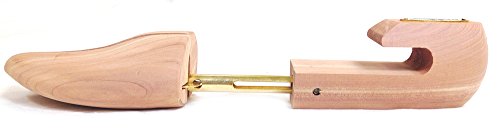
The geometry of the shoe tree dictates how well it prevents permanent creasing. There are two main styles to consider: split-toe and full-toe. Split-toe designs feature a notch at the toe, which allows the wood to mimic the natural taper of a shoe more closely, providing better tension across the vamp (the area where most creasing occurs). Full-toe trees offer a more continuous surface, which can be beneficial for boots or wider-toed footwear. Beyond the toe, pay close attention to the spring mechanism. A high-quality tree uses a robust, tension-based spring that provides consistent outward pressure. If the spring is too weak, the shoe will sag. If it is too aggressive, it can overstretch the leather, particularly in delicate calfskin or suede.
Sizing and Fit Specifics
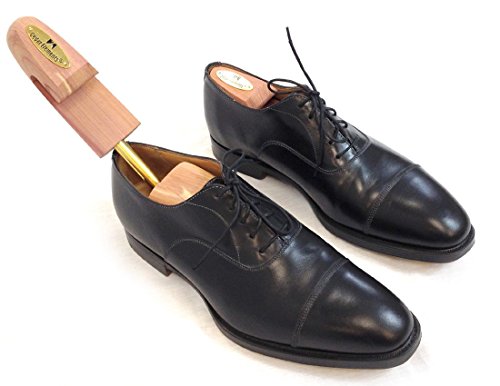
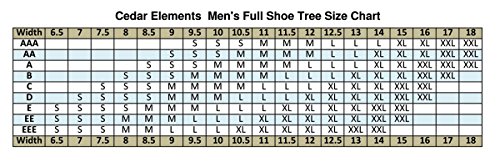
A common mistake is purchasing 'one size fits all' trees. For optimal preservation, the tree must match the specific volume of the shoe. For instance, a slim, Italian-style loafer requires a more slender tree to avoid stretching the sides, whereas a heavy work boot requires a much larger, more robust tree to fill the internal cavity. When shopping, look for brands that offer specific size increments. A well-fitted tree should feel snug against the interior walls of the shoe without forcing the leather to bulge unnaturally. If you see the sides of your shoes bowing outward when the trees are inserted, the tree is too large for that specific last.
The Importance of the Finish
Avoid shoe trees that have been heavily varnished or lacquered. While a smooth finish might look aesthetically pleasing, a coating acts as a barrier that prevents the cedar from performing its most vital function: moisture absorption. The wood should be left in its natural, sanded state. This allows the porous surface to breathe and pull sweat away from the leather lining. If you encounter trees that feel plastic-like or overly glossy, they are likely treated with a sealant that will render them ineffective at odor and moisture management.
Recommendation Logic
When making your final decision, prioritize the 'Three Pillars of Preservation': Density, Tension, and Porosity. If you are a collector of formal oxfords, prioritize split-toe trees with high-tension springs to keep the toe box crisp. If you are looking for everyday utility for boots or sneakers, prioritize larger, high-density blocks that can handle more significant moisture loads. Always choose natural, unvarnished wood to ensure the longevity of both the tree and your footwear.