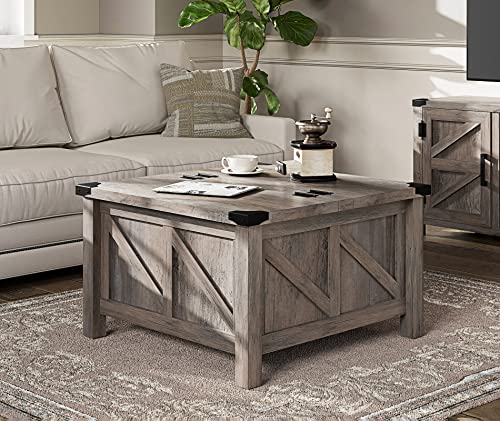
Prioritize Material and Durability
When selecting a side table, the first decision factor is the material composition, which dictates both the visual weight and the longevity of the piece. If you are looking for a modern, minimalist aesthetic, metal-framed tables offer a sleek, industrial feel that pairs well with urban decor. However, if you desire warmth and a sense of organic comfort, wood-grain finishes or solid wood constructions are superior. Pay close attention to the surface finish. For high-traffic areas like a living room, a scratch-resistant or moisture-resistant coating is vital to prevent water rings from coasters or scuffs from everyday use. For bedside applications, consider materials that are easy to wipe down, as these surfaces often accumulate dust more quickly.
Evaluate Scale and Proportionality
One of the most common mistakes in furniture shopping is overlooking the spatial relationship between the side table and the primary piece of furniture it accompanies. A side table should never compete with your sofa or armchair for attention. Rather, it should complement it. For a standard sofa, aim for a height that sits roughly level with or slightly below the armrest. If the table is too tall, it creates a visual barrier that disrupts the flow of conversation. If it is too low, it becomes difficult to reach for a remote or a drink. Additionally, consider the footprint. In compact apartments, a slim, C-shaped table that can slide under a base can save significant floor space, whereas in a spacious lounge, a more substantial, pedestal-style table can act as a beautiful focal point.
Functionality Meets Storage Needs
Beyond mere surface area, consider how much utility you actually require. Are you looking for a simple pedestal to hold a lamp, or do you need a multi-functional piece that manages clutter? If you struggle with organization, look for models that incorporate integrated shelving, small drawers, or lower tiers. A two-tier table provides an excellent way to separate decorative items—like a vase or candle—on the top surface from practical items—like books or magazines—on the bottom. For those living in minimalist environments, a single-surface table keeps the visual field clean and uncluttered.
Style Cohesion and Design Language
Finally, ensure the design language of your side table aligns with your existing decor. Simplihome offers a variety of styles ranging from mid-century modern to contemporary industrial. If your room features many soft curves and organic shapes, a table with rounded edges or a circular top will feel more harmonious. Conversely, if your space is defined by sharp lines and architectural precision, a square or rectangular table with geometric metal legs will integrate seamlessly. Don't be afraid to use the side table as a way to introduce a new texture or a subtle pop of color to break up a monochromatic room, but ensure the core design elements—such as the leg style or finish—share a common thread with your larger furniture pieces.