Prioritize Finish Consistency
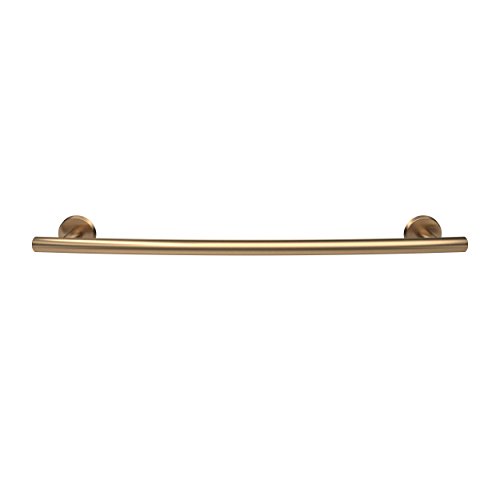
The most critical decision when selecting an Amerock bar is the finish. Most homeowners aim for a unified look, meaning your towel bar should ideally match your sink faucets, shower heads, and cabinet hardware. Amerock offers a wide spectrum of finishes, ranging from classic Polished Chrome and Brushed Nickel to more contemporary Matte Black and Champagne Bronze. If you are working with a vintage-inspired bathroom, look for oil-rubbed or antique finishes. If you are aiming for a minimalist, modern aesthetic, matte finishes provide a non-reflective, sophisticated touch that hides fingerprints more effectively than high-gloss options.
Evaluate Mounting Methods and Stability
A towel bar is only as good as its ability to hold a heavy, wet bath towel without sagging or pulling away from the wall. When browsing, pay attention to the mounting hardware included. For standard drywall installation, look for bars that come with heavy-duty anchors. If you are installing into tile, ensure the kit is compatible with masonry or specialized drill bits to prevent cracking. Some premium models feature concealed mounting, where the screws are hidden behind decorative flanges, providing a seamless, high-end look that prevents moisture from seeping into the mounting holes.
Size and Spatial Planning
The length of the bar is dictated by both the size of your towels and the available wall real estate. A standard bath towel requires more clearance than a hand towel or a washcloth. While larger bars offer more surface area for drying, they can overwhelm a small powder room. A common mistake is choosing a bar that is too short for the towel it is intended to hold, leading to a cluttered appearance. Consider the 'visual weight' of the bar as well. A thick, tubular bar feels substantial and traditional, while a thin, square-profile bar feels architectural and modern.
Material Composition and Durability
Not all metal bars are created equal. High-quality Amerock bars are typically constructed from solid brass or heavy-duty zinc alloys, which offer superior resistance to the high-humidity environments found in bathrooms. Avoid lightweight, hollow-core alternatives if you intend to hang heavy, plush towels. Solid construction ensures that the bar maintains its shape over years of use and resists the corrosive effects of steam and cleaning chemicals. If your bathroom is prone to extreme moisture, prioritize finishes that are specifically rated for high-humidity durability to prevent pitting or tarnishing.
Style Profiles: Traditional vs. Contemporary
Finally, match the geometry of the bar to your room's design language. Traditional styles often feature rounded edges, decorative finials, and classic silhouettes that pair well with marble countertops and wainscoting. Conversely, contemporary designs lean into linear shapes, sharp angles, and minimalist profiles. If your bathroom features a mix of styles, a transitional bar—one that combines soft curves with clean lines—can act as a bridge between different design elements, creating a sense of intentionality rather than a clash of eras.