Prioritize Custom Fit Over Universal Sizing
The most critical factor in selecting a high-end sunshade is the fitment profile. Universal shades are often made of thin, foldable material that leaves significant gaps around the rearview mirror, the dashboard, and the A-pillars. These gaps act as thermal bridges, allowing radiant heat to circulate freely. A custom-engineered shade is laser-measured to the specific dimensions of your vehicle's glass. This ensures that the shade sits flush against the windshield, creating a nearly airtight barrier that reflects sunlight away before it can penetrate the cabin. When shopping, always verify that the shade is designed for your specific year, make, and model to ensure the edges wrap correctly around the interior trim.
Material Composition and Reflectivity
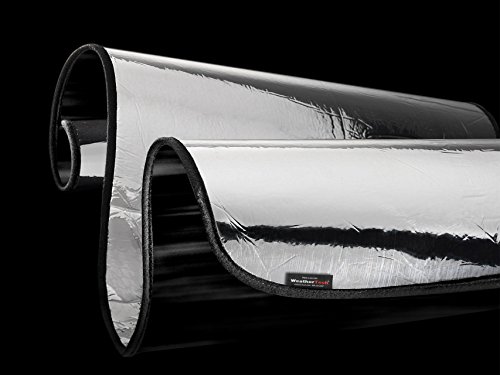
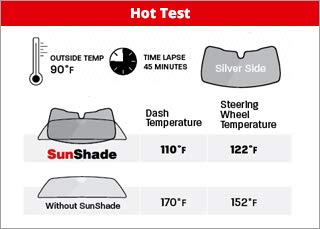
Not all reflective surfaces are created equal. The effectiveness of a sunshade is largely determined by its ability to reflect infrared radiation. Look for shades that utilize multi-layered construction, often featuring a high-density foam core sandwiched between reflective metallic layers. This sandwich structure serves two purposes: the metallic outer layer bounces sunlight back through the glass, while the foam core provides an insulating thermal barrier that prevents heat from transferring through the shade itself. Avoid shades that feel flimsy or overly thin, as these will quickly degrade under intense UV exposure and fail to provide the thermal mass necessary to keep a dashboard cool.
Ease of Installation and Storage
A premium sunshade is useless if it is a struggle to deploy every morning. Consider the mechanism of the shade: some use heavy-duty spring steel cores that allow them to pop into place, while others rely on rigid panels. Pay close attention to how the shade collapses. A high-quality design should fold neatly into a compact shape that fits easily into a door pocket or under a seat. Furthermore, look for integrated features like built-in handles or specialized tabs that make it easy to grip the shade when it is tucked tightly against the glass. If a shade requires significant force to bend or unfold, it will likely become a nuisance in your daily routine.
Durability and Long-Term UV Resistance
Because sunshades live in the most extreme environment of your vehicle, they are subject to constant thermal cycling—expanding in the heat and contracting in the cold. Cheap plastics will crack, and low-grade fabrics will fade or peel. Investing in a shade that utilizes UV-resistant coatings ensures that the reflective surface remains intact for years. Check for reinforced stitching and high-quality edge binding, which prevents the material from fraying at the corners where tension is highest during installation. A durable shade is a long-term investment in the preservation of your vehicle's interior, protecting expensive leather, plastics, and electronics from UV-induced cracking and discoloration.